The Many Lives of “Chinese Food”
Chinese food has never been just one cuisine. From dim sum and hot pot to boba and orange chicken, explore the many ways it has evolved—and the pantry staples connecting it all.

Say “Chinese food” in America and you could be talking about dim sum on Sunday morning, hot pot with friends, orange chicken from the neighborhood takeout spot, or a tasting menu served on tiny porcelain plates.
Same same, totally different.
Chinese food has never been just one cuisine. It spans regions, generations, immigration stories, restaurant formats, and dishes invented thousands of miles from China itself.
And somehow, through all that change, many of the building blocks have stayed remarkably familiar.
Cantonese & Hong Kong: The Classics
For generations of Americans, Cantonese food was one of their first introductions to Chinese cooking.
There’s dim sum and yum cha: tea, steaming baskets, tiny plates, and a table that somehow keeps getting more crowded.
There’s siu mei: char siu, roast duck, and soy sauce chicken hanging from the window.
There are congee shops and clay pot rice, where seemingly simple dishes become deeply comforting through preserved meats, sauces, aromatics, and texture.
And then there’s the cha chaan teng, Hong Kong’s gloriously idiosyncratic answer to the diner—milk tea, macaroni soup, baked pork chop rice, and dishes shaped by generations of cultural collision.
These are foods built around ritual as much as flavor: gathering, sharing, ordering too much, and staying at the table.
Sichuan, Chongqing & Hunan: Bring the Heat
Then there’s the spicy side of Chinese food.
Sichuan and Chongqing hot pot turn dinner into an event: bubbling broth, thinly sliced meats, vegetables, tofu, noodles, and a dipping sauce everyone builds themselves.
Mala xiang guo, or dry pot, takes some of that same flavor vocabulary—chilies, Sichuan peppercorn, aromatics—and moves it into the wok.
Xiao mian and other spicy noodle bowls turn chile oil, vinegar, sesame, and aromatics into everyday fuel.
And Hunan cooking brings its own language of fresh chilies, smoke, preserved ingredients, and bold stir-fries made for rice.
The ingredients matter enormously here. The sauce or broth isn’t something added at the end. It’s the foundation the entire dish is built around.
Shanghai, Jiangnan & Fujian: A Quieter Kind of Complexity
Not every Chinese cuisine announces itself with chilies.
Shanghai and the surrounding Jiangnan region give us dishes that can be sweeter, more delicate, and deeply concerned with texture.
There are xiao long bao and sheng jian bao, two very different expressions of the magnificent idea that a dumpling can contain soup.
There are the refined broths and careful knife work associated with Jiangnan and Huaiyang cooking.
And there’s Fujian cuisine, with its seafood, soups, fermentation, and extraordinary appreciation for savory depth.
The flavors may be quieter, but the pantry is doing just as much work.
Hot Pot & Build-Your-Own
Some Chinese food formats have traveled particularly well because they’re less like individual dishes and more like systems.
Hot pot might be the ultimate example.
Choose your broth. Choose your meats, vegetables, tofu, and noodles. Cook everything together. Then build your own dipping sauce from sesame paste, sesame oil, garlic, scallions, chili, fermented sauces, vinegar, and whatever else your particular table swears by.
Everyone technically eats the same dinner, yet everyone gets to make it their own.
That combination of communal eating and infinite customization has helped hot pot travel far beyond the communities where it began.
And its influence can be seen in everything from mala dry-pot restaurants to modern build-your-own bowl concepts.
Taiwan: Small Island, Giant Food Culture
Taiwan deserves its own chapter.
There are beef noodle shops, breakfast counters, night markets, hot pot restaurants, tea shops, and endless small snacks—each with its own rituals and fiercely defended opinions.
Scallion pancakes. Gua bao. Popcorn chicken. Braised pork rice. Oyster omelets. Shaved ice.
And, of course, boba—a Taiwanese invention that went from tea-shop novelty to global category.
Taiwan is particularly important to our family. It’s where our grandfather learned the Gangshan tradition of sauce making and where our own story began with chili sauce in 1960.
Chinese-American: A Cuisine of Its Own
Then Chinese food came to America and became something else entirely.
Chop suey. Chow mein. Egg foo young. Beef and broccoli. Sweet and sour pork. Orange chicken.
Chinese cooks adapted to the ingredients available to them and the tastes of the customers around them. Over generations, those adaptations became traditions of their own.
Chinese-American food isn’t simply Chinese food changed for Americans. It is a cuisine born from the Chinese-American experience.
And it spread everywhere.
For decades, the neighborhood Chinese restaurant became one of the most ubiquitous ways Americans encountered Chinese culture—from Chinatowns and suburbs to small towns thousands of miles from any major Chinese community.
Chinese Food Through Other Diasporas
Chinese cooking didn’t only evolve in America.
In Korea, Chinese culinary traditions developed into Korean-Chinese food, including jjajangmyeon, jjamppong, and tangsuyuk.
Across Southeast Asia, centuries of Chinese migration helped shape foods throughout Malaysia, Singapore, Thailand, Vietnam, Indonesia, and beyond.
In Hawaii, Chinese, Japanese, Filipino, Korean, Portuguese, Native Hawaiian, and other traditions collided and created an entirely new local food culture.
Food moves with people. Then it adapts.
That’s part of what makes trying to draw a clean border around “Chinese food” nearly impossible.
Snacks, Drinks & Dessert
Some of the most successful ambassadors of Chinese and Taiwanese food aren’t dinner at all.
Boba and milk tea. Egg tarts. Pineapple buns. Pork floss rolls. Shaved ice. Wheel cakes. Taiwanese fried chicken.
These foods have introduced an entirely new generation of Americans to ingredients and flavors like black sesame, taro, lychee, red bean, and brown sugar.
Yesterday’s unfamiliar flavor becomes today’s boba order.
Tomorrow, it might just live in the pantry.
The Pantry Behind All of It
For all these different cuisines, regions, formats, and generations, there’s a quieter throughline.
The pantry.
Sesame oil. Sesame paste. Chili. Garlic. Fermented bean sauces. Vinegar. Soy. Spices.
Change the combination and the dish changes completely.
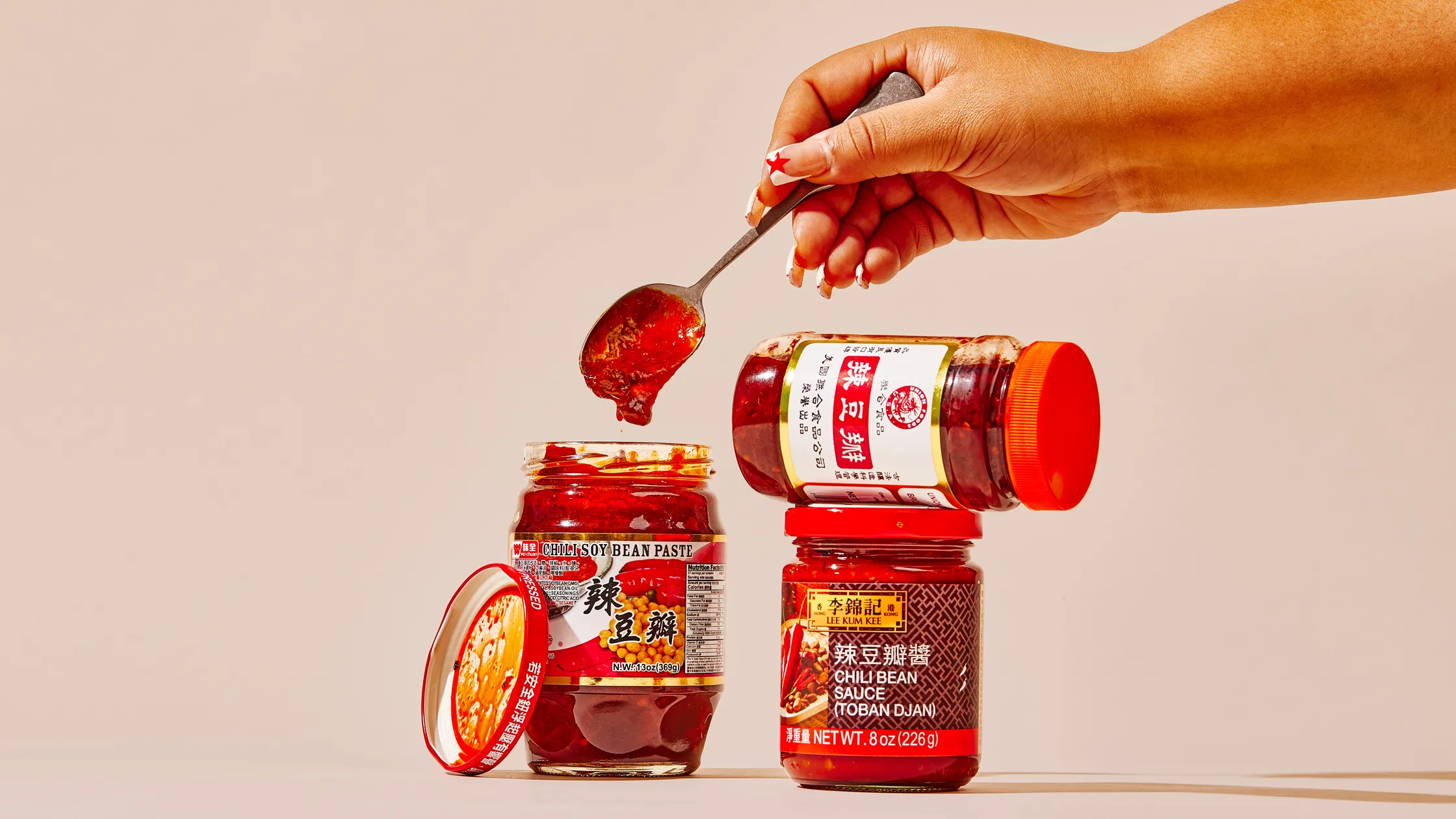
A spoonful of sesame oil can transform a bowl of noodles. Sesame paste can become the foundation of a hot pot dipping sauce. Fermented bean paste can give a braise extraordinary depth. Chili sauce can sit on a restaurant table and end up on virtually everything.
The dishes evolve.
The foundational ingredients endure.
The Pantry Behind the Restaurant
That’s where Union Food Co. has lived for more than 60 years.
We weren’t the restaurant with our name above the door.
We were behind the kitchen door.
Through Lian How and Uncle Chen, our family has spent three generations making and supplying the sesame oils, sauces, pastes, spices, and seasonings used by restaurants, Asian grocery stores, and families across America.
You may have eaten something made with our products without ever knowing our name.
That’s sort of the point.
Three Generations Later
Today, Union Food Co. includes Lian How, Uncle Chen, and DOU, but the work connects back to the same idea our family started with in 1960: make great foundational ingredients and let people decide what to do with them.
Chinese food in America will keep changing. It should.
New generations will reinterpret old dishes. Diasporas will create foods that never existed back home. Chefs will borrow ingredients across cultures. Something considered unfamiliar today will eventually become an ordinary pantry staple.
We’ve already watched it happen for more than 60 years.
Through all the different lives of “Chinese food,” we’ve been happy to stay where we’ve always been:
Behind the scenes, making the ingredients that make everything taste better.
OTHER IDEAS

Preserving the Craft of Chinese Sauce Making Since 1960
Three generations, 60 years, and one family behind the sauces, oils, and flavors that have helped shape Chinese food in America.

The Quest for the Perfect Sesame Oil
Three generations of sesame oil making have taught us one thing: how it’s made matters. From roasting to stone milling, discover what separates an exceptional sesame oil from the rest.
Three Generations of Chinese Sauces: Meet Lian How, Uncle Chen, and DOU
Discover Union Food Co., a third-generation Chinese food manufacturer behind Lian How, Uncle Chen, and DOU. Explore sesame oil, sesame paste, chili sauces, fermented bean sauces, spices, and Asian pantry staples.